Upon the premiere of Youssef Chahine’s Cairo at Cannes, the Egyptian critics in attendance resented its unflinching portrayal of the city’s poverty and density, claiming it as a derogatory and inciting the film’s eventual ban. In The Completely True Tales of Um Mimi and Sharawi the Adulterer, author and screenwriter Belal Fadl takes a similarly undaunted look at the capital: its swarming underbelly, its suffocating divides, and its unrelenting pressures that bloom both tragedy and absurdity. Written in a captivating style that listens carefully to the city’s manifold ranges, Fadl is determined to pull back the curtains, putting a middle finger up to politeness or grandeur, and drawing instead on chaos, comedy, and linguistic richness to portrait a Cairo full of adrenaline, be it from laughter, thrill, or the sheer will to survive.
Author: Osama Hammad
-
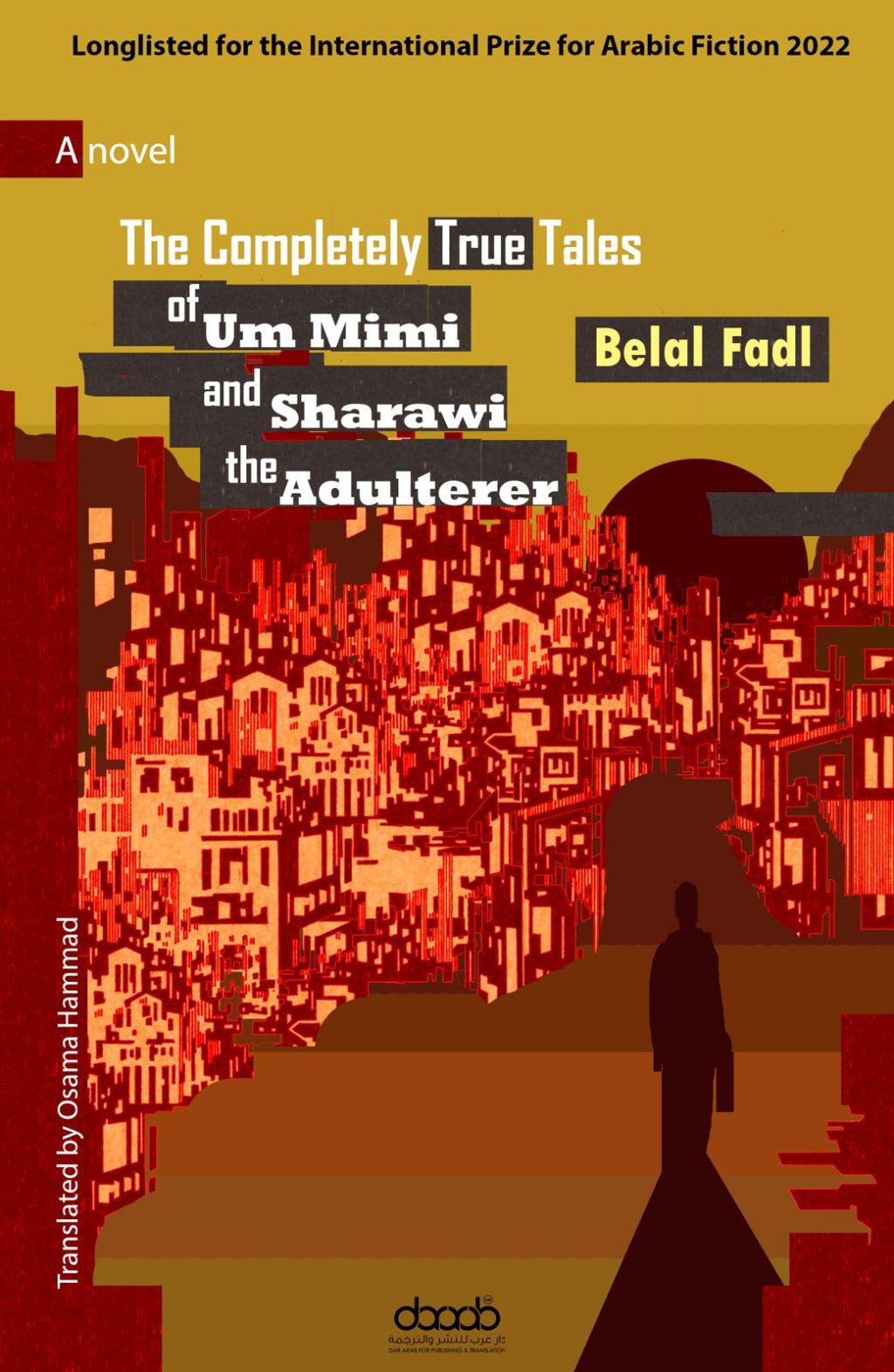
The Completely True Tales of Um Mimi and Sharawi the Adulterer
On the way to Um Mimi!
Whenever I tell my story, I say that what led me to live with Um Mimi were two Polish breasts with unparalleled nipples. I saw them in an R-rated movie on a winter’s night that started beautifully, then turned gloomy. Although this wasn’t exactly what happened, it’s not too far from the truth.
At the time, I thought the hands of fate hadn’t been kind to me when—among all the rooms and flats, both furnished and empty, in all of Cairo’s alleys and streets—it chose for me a room without a door in a flat without a soul, where I would live with a keyed-up woman. But sometimes, it takes twenty-five years to realize that life did you a favour when it selected you to live its most absurd experience.
My story started in the fall of 1991. My grades in high school had qualified me to study in the faculty of mass communications at Cairo University. For those who don’t already know, this meant I had to fill out a form called the ‘Application of Wishes’—a poetic name that is in no way relevant to its contents. All you do is plug in the departments where you want to study in order, according to your grades, so that the coordination office can choose an available program. This is done according to a process, the inner workings of which no one knows save the employees of the Ministry of Higher Education; it’s a process that no one doubts, in order to avoid giving themselves a headache.Read the first chapter for free: The Completely True Tales of Um Mimi and Sharawi the Adulterer
-
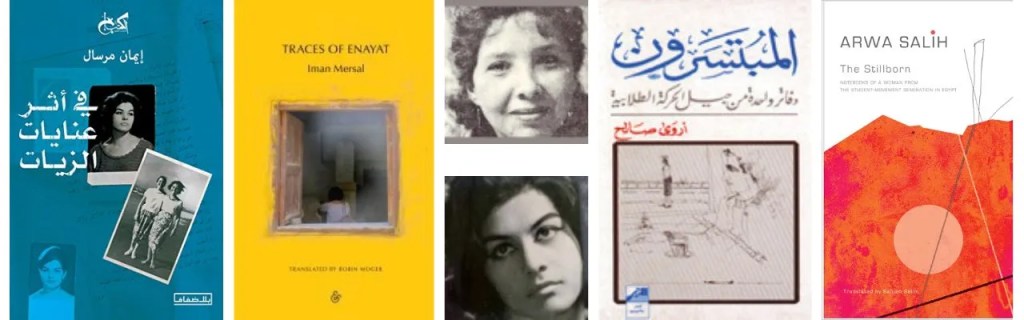
Tracing a Line, from Arwa to Enayat
From Arwa Saleh to Enayat al-Zayat:
A Society that Reproduces its Women’s Disappointments
By Moaaz Muhammad
Translated by Osama Hammad
Browsing the histories of those who died by suicide is one of my favorite hobbies. It’s like visiting dark places linked to death and crises. I don’t read about them to find an answer to the complicated question of suicide. I do it to look at those who committed it, attempting to get closer to their worlds, and, in so doing, I have seen vastly different identities. They aren’t one undistinguished mass, and I felt their uniqueness in the ways they directed the final scenes in their lives.
The way some people take their own lives provides us with a glimpse of their journeys and their lives in the societies within whose walls they attempted to find their place. Their deaths are the last messages of their will to the outside world. In Cairo, where they lived and engaged with its public sphere, those who have died by suicide gain an added allure. There is a line connecting us: They spoke colloquial Arabic, strolled along the Nile, lived on streets I’m familiar with, and maybe we even set foot on the same points. The most significant thing is that I had my experiences in the same public spheres, under the same rules that directed their experiences. We all belong to a society that perpetually reproduces its crises.
Arwa Saleh and Enayat al-Zayat lived in transitional periods of Egypt’s history. Enayat was born in 1936 and committed suicide in 1963, while Arwa was born in 1951 and committed suicide in 1997. Enayat’s youth coincided with the fall of the monarchy and the early years of the new republic, while Arwa’s political awareness bloomed with Egypt’s 1967 defeat by Israel, the wars of the 1970s, and the aggressive social changes that followed, with a generation of leftist students “once enchanted by a dream” before facing tragic fates.
Read the full article: Tracing a Line, from Arwa to Enayat
-
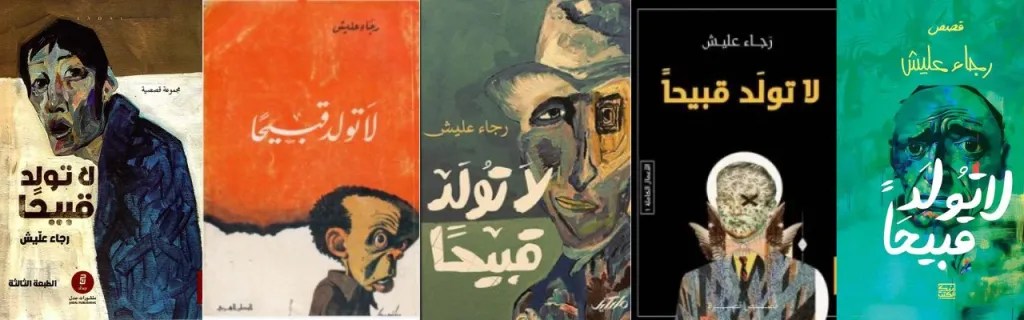
Don’t Be Born Ugly
By Ragaa Elish
Translated by Osama Hammad
Preface
These pages are about the strangest problem in my life: ugliness. Imagine the weirdest man on earth, the ugliest face you might ever encounter. Be certain that’s me; the forever laughingstock, the forever weird. I’m always the weirdest, the most horrendous, the ugliest.
Ugliness is the notion that dominates my life and feelings. It’s where I start and where I end; it’s the station from where I depart and to which I arrive. Ugliness is the grimy ash that has collected over all the particles, aesthetics, and pleasures in my life, tinting everything a bleak gray. It’s the dark light that beams over every corner of my life, forbidding me from having a transparent, clear sight of things and people.
In these pages, I’ll try to analyze the phenomenon of ugliness as I lived it, since no one has lived ugliness the way I did—no one has felt how horrible and bloody it was like I did.
Ugliness is like a transparent prism of glass; it has multiple surfaces and angles. I’ll try to present a comprehensive panoramic view for each surface and angle of that astounding prism beaming black light in every direction through my life, completely poisoning it and destroying its aesthetics.
Continue reading: Ragaa Elish: ‘Don’t Be Born Ugly’
-
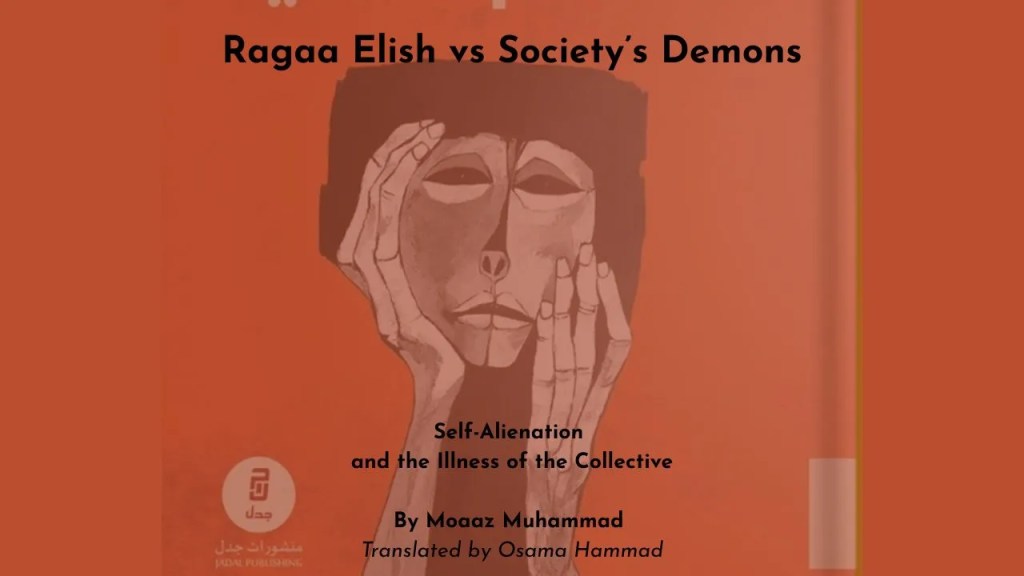
Ragaa Elish vs Society’s Demons:
Self-Alienation and the Illness of the Collective
By Moaaz Muhammad
Translated by Osama Hammad
Ragaa Elish (1932-1979) believed that his ugliness was what pushed people to deny him their sympathy. Because this virtue, as he thought, was only performed toward a beautiful person.
At the beginning of 1955, Erich Fromm published The Sane Society, where he discussed various notions and questions about the healthy society and the sick one, the sane individual and the mad one, and the types of individuals our modern societies produced. Although Fromm discussed western societies exclusively, his analysis crossed borders to describe humans amid capitalism and consumerism.
Fromm described his goal in writing this book as a continuation of what Sigmund Freud started in Civilization and its Discontents, which is about how culture and civilization clash with the needs of the individual and their psychological build. Freud wondered if someday someone would take the risk of exploring health conditions in civilized societies, which Fromm did, questioning how successful a civilization was in fulfilling the deep needs of the individual.
We all think that we were born in societies that have privileges our ancestors never had—which might be true, at least in part—but we brush off the mental and social taxes we pay, which our ancestors evaded. And while the people of the world now claim they are closer than ever to each other through the miracle of technology, instant communication, travel and trade, they seem to be more alienated than free—more than at any other time. The irony is that the more a society advanced economically and rose up in the modernity ladder, the more an existential anxiety and alienation erupted like a volcano, as if it were a curse.
Continue reading: Ragaa Elish vs Society’s Demons
-
جالاتيا
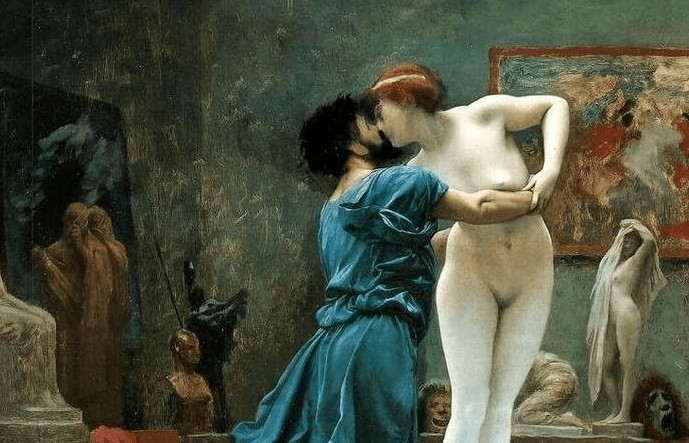
قصة لمادلين ميلر
ترجمة: أسامة حماد
تكاد تنخدع بلطف قلقهم علي.
أخبرتني الممرضة: “أنت شاحبة جدًا. يجب أن تبقي هادئة حتى تستعيدي لونك”.
قلت لها: “دائمًا ما كان هذا لوني. إذ كنت حجرًا قبل هذا”.
ابتسمت المرأة ابتسامة غامضة، وغطتني بالبطانية. حذرها زوجي أن خيالي خصب، وأن مرضي يجعلني أقول أشياء قد تبدو غريبة لها.
قالت: “استلقي فحسب وسأحضر لك شيئا لتأكليه”. كان لديها وحمة في جانب شفتها العليا وكنت أحب مشاهدتها كلما تكلمت. بعض الوحمات جميلة ومميزة، كبقع الألوان على الخيول. لكن بعضها ينمو الشعر بداخله، فتبدو متكتلة كالديدان، وحمتها كانت من هذا النوع.
“استلقي”، كررتها، لأني لم أفعل في المرة الأولى.
قلت لها: “أتعلمين ما قد يساعدني على استعادة نضارتي؟ التمشية”.
قالت: “آه، لا، ليس قبل أن تتحسني. جسدك بارد، أتحسين به؟”
قلت لها: “هذا من الحجر، كما قلت لك. لن يكون دافئًا ما لم يتعرض للشمس. ألم تلمسي تمثالًا من قبل؟”
كررت: “جسدك بارد، استلقي فحسب، كوني طيعة”. بدأت تتصرف باستعجال قليلًا، إذ أني ذكرت الحجر مرتين، وكان هذا مادة للنميمة مع الممرضات الأخريات وجعلها هذا متلهفة للحديث إلى الطبيب.
كانا يتضاجعان، هذا هو سبب لهفتها. بإمكاني سماعهما أحيانًا عبر الحائط. أنا لا أتشنع عليها، فأنا لا أكن ضغينة لها إن حظيت بمضاجعة ممتعة، إذا كانت ممتعة، وهو ما لا أعرفه. لكني أقول هذا لتفهمي ما أواجه: أن مرضي أكثر فائدة لها من صحتى.
لقراءة القصة كاملة: مادلين ميلر: جالاتيا (قصة قصيرة)
-
All That’s Left to Him
By Ameer Hamad
Translated by Osama Hammad
His father told him that the building committee had held a meeting, and that they’d decided to forbid the children from playing in front of the building. The boy was afraid of his father. If his mother had given him the news, he would have screamed until morning. But now, he acted as if the matter didn’t concern him.
–I’m all grown up now, he said. I don’t like playing in the alley anymore.
He pretended to doze off, and then he crept off to his room. Under the covers, he poured his father’s words into his tears. If his mother had seen this, she would’ve thought he’d gone back to wetting the bed.
He had promised his friends that they’d go on a trip to the nearby forest, to investigate the clothes they’d found on the ground, which they’d thought belonged to a family who had been offed by a roving serial killer. When he was tired of crying, he surrendered to sleep amid his tears, like a small boat pushed along by the winds of his dreams.
Read the full story: New Fiction by Ameer Hamad: ‘All That’s Left to Him’
-

The White Dog’s Fable— Yasser Abdel-latif
TRANSLATED FROM THE ARABIC BY OSAMA HAMMAD
Lucy was an infertile dog living in Maadi, the quiet Cairo suburb. For Lucy, infertility probably played a role in her psychology as a stray dog. She abandoned her life of wandering and chose to settle next to the Al-Baqary family house at the southern edge of the suburb. She was content to relate herself to the family without being officially adopted by any of them. She lived at the threshold, satisfied with the care she received and whatever leftovers they tossed out to her. Lucy’s sexual life wasn’t affected by her inability to bear puppies, as she willingly raised her tail to any of Maadi’s lax male dogs passing by or sneaking from the neighboring Tura. Lucy was an example of an easy dog; maybe this was the origin of her foreign name with its climatic tone, as she was always ready to bang. She was always there for the horny night dwellers or those who couldn’t find better entertainment than the free exhausting barking.
Read the full story: The White Dog’s Fable— Yasser Abdel-latif
-
دون باول وأدبها اللذان نسيهما العالم
مقال مايكا هايزل
ترجمة أسامة حماد
نشر المقال في أكتوبر 2023 ويعد القصة الثالثة في سلسلة قبور مجهولة: قصص من هارت أيلاند في راديو دياريز (إذاعة اليوميات)
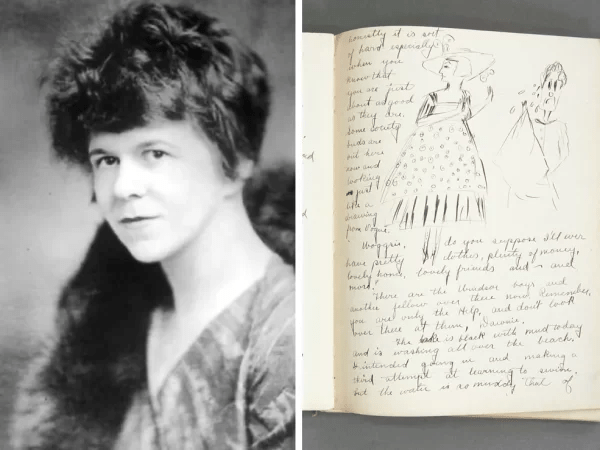
تسللت دون باول إلى عالم الكتابة بالتسكع في بارات وحوانيت قرية جرينتش في نيويورك في عشرينات القرن العشرين، حيث قضت وقتها بصحبة أمثال إرنست همنجواي وإدموند ويلسون. “ظهرت من العدم، ولم تكن ذات أهمية،” كما وصفتها الكاتبة فران ليبوويتز لراديو دياريز.
لكن باول امتلكت صوتا وكان لها أسلوبها الخاص، وانبعثت من العتمة بتفرسها في مدينة نيويورك ذاتها وفي شخصياتها المحورية. كتبت باول في العقود التالية روايات ومذكرات والكثير من المسرحيات –مما أكسبها شهرة ورشحها لنيل الجائزة القومية للكتاب كذلك. ثم توفيت عام 1965. ما حدث بعد ذلك لم يكن وفق ما نص عليه السيناريو المتوقع.
صوت نسيه العالم
كانت وصية باول واضحة: أرادت أن تتبرع بجسدها لمركز ويل كورنيل الطبي للأبحاث. لكن بعد مرور خمس سنوات على موتها، عندما سأل مركز كورنيل القائمة على تنفيذ الوصية، جاكلين رايس، عما يجب فعله ببقايا جسدها، تركت رايس القرار للمركز.
هكذا دُفنت باول في مكان غير معلوم لعائلتها وأصدقائها على جزيرة هارت أيلاند في نيويورك –أكبر مقبرة عامة في أمريكا. بعدها، توقفت طباعة كل أعمالها ودُفنت موهبة فريدة في جيلها في قلب نيويورك، ونسيها العالم ومن عرفوها.
-
كريس نايت: الثورة الإنسانية
افترض معظم علماء الأنثروبولوجيا ضمنيا أن الرجال هم من وضعوا أسس الثقافة الإنسانية. وسيطرت أسطورة “الرجل الصياد” على علم الإنسان البدائي (palaeoanthropology) تقريبًا منذ نشوء هذا العلم. وخلال ستينات القرن العشرين وسبعيناته، اعتُقد بداهة أن التقسيم الجنسي للعمل، حيث يذهب الذكور بعيدًا للصيد وإحضار اللحم، ظهر قبل ملايين السنين في عملية ارتبطت بثنائية الحركة وصنع الأدوات والدماغ البشري كبير الحجم على غير المعتاد.
شهد العقد الماضي ثورة في علم الآثار وعلم الحفريات مما أدى إلى وجهة نظر تعتبر أن كل هذا هراء، وأن أسلاف الإنسان (“الأسترالوبيثين”) كانوا كائنات شبيهة بالقردة العليا تعيش حياة شبيهة بالقردة العليا وأن الثقافة كما نعرفها الآن لم تظهر إلا بعد “ثورة إنسانية” حديثة نسبيًا. لقد أوضح عالم وعالمة الآثار البارزين لويس بينفورد وأولجا سوفير أنه لا يوجد دليل في أوروبا، على الأقل، على أن زمر صيد منظمة ارتحلت لمسافات بعيدة واصطادت فرائس كبيرة الحجم وعادت باللحم إلى مخيمات شبه دائمة حتى قبل خمسين ألف عام مضت.
أكمل قراءة المقال: كريس نايت: الثورة الإنسانية
 OSAMA TRANSLATES