All characters, events, places, and language in this novel do not exist in our reality. Our reality is—as you know—too lofty, pure, and beautiful to have such characters, events, places, and language. Just saying.
—Belal Fadl, The Completely True Tales of Um Mimi and Sharawi the Adulterer
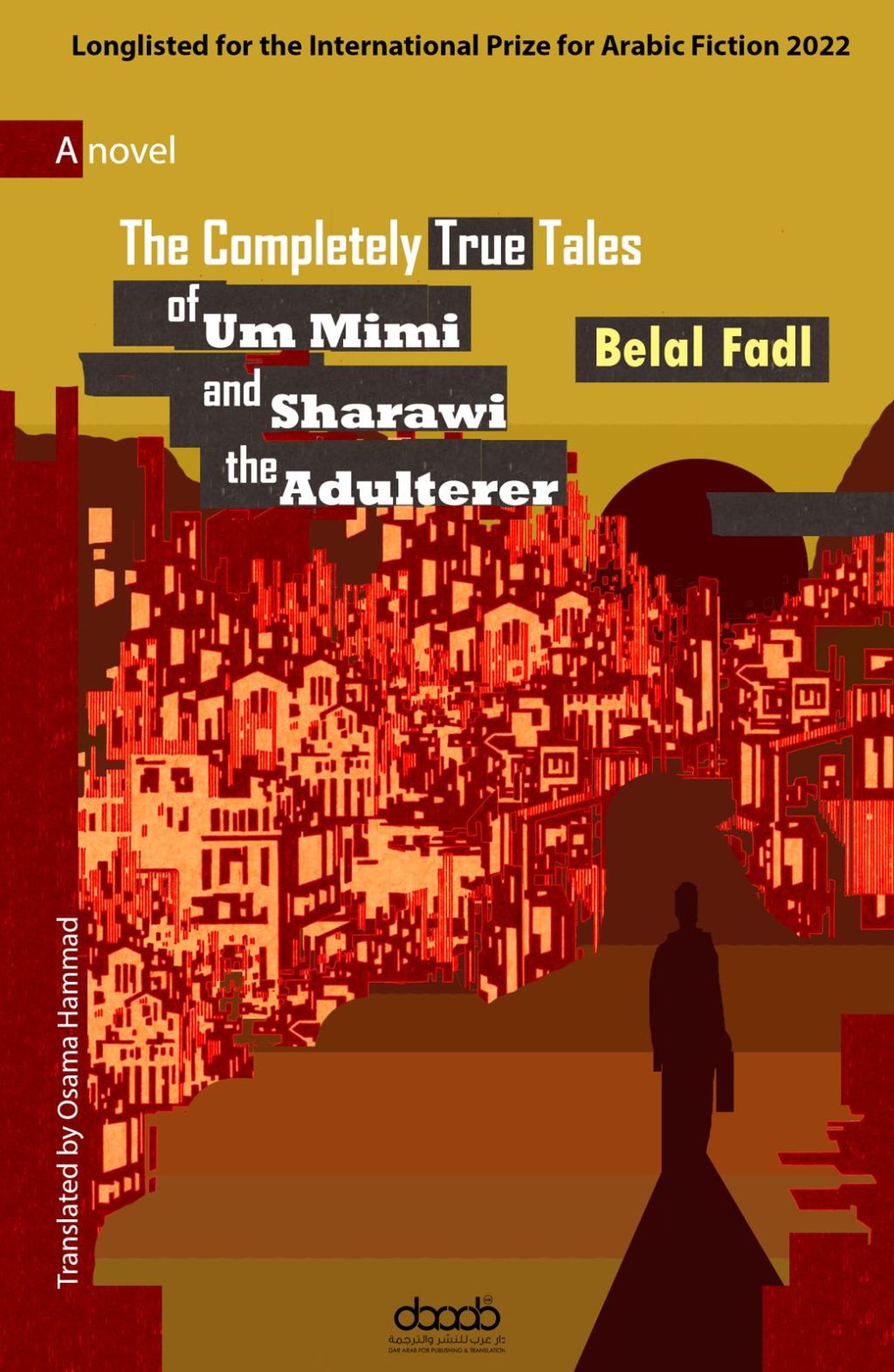
From the opening page of The Completely True Tales of Um Mimi and Sharawi the Adulterer, Egyptian novelist and screenwriter Belal Fadl signals his intentions with a tongue-in-cheek disclaimer: this debut novel is bound to provoke domestic backlash for its portrayal of Cairo’s gritty underbelly. The early-1990s capital city he evokes is a world away from the historicized and romanticized metropolis often exported to Anglophone readers through translated fiction. Rejecting the comforting backdrops of Pharaonic nostalgia or middle-class existentialism, Fadl plunges into Cairo’s backstreets to craft an irreverent picaresque, refracting the profanity, sickly bodies, and everyday violence of the margins into a microcosm of black comedy.